


























Supporting with Work Placements & Work Experience
Our employer partners help the RNN Group of Colleges supporting with work placements and work experience for our students.
We know that practical experience of the world of work is crucial for our learners and we encourage any employer partner considering this option to get in contact with us.
Why should I get involved as an employer?
RNN Group works with hundreds of employers every year to provide a variety of work experience opportunities and placements.
Our RNN Employer Academies give employers the ability to support activities from guest speaking to hosting site visits, facilitating masterclasses and providing work placements.
Our employers look for confident and enthusiastic students who can add value to their organisation. In return, employers allow students to develop industry-standard skills and expertise.
Many employers will offer Apprenticeships and T Level placements which can support future employment opportunities for students who have successfully completed placements.
From my work placement, I gained a permanent role with the same company.
Emilia, North Notts College
Employers often get more out of offering work placements or work experience than they initially expect. There are several practical, strategic reasons to support these opportunities for learners:
First, it’s a low-risk way to build a talent pipeline. By bringing in students or early-career candidates, employers such as you can spot potential future hires before they enter the job market fully. It’s essentially an extended interview – without the long-term commitment. Many organisations end up hiring people they’ve already trained during placements, which saves time and recruitment costs later.
It also helps develop existing staff. Supervising or mentoring someone on placement pushes employees to explain what they do, reflect on their processes, and build leadership and communication skills. That kind of development is hard to replicate in standard training programs.
There’s also a strong business reputation angle. Supporting work experience shows engagement with the community and commitment to developing future talent. This can strengthen relationships with schools, colleges, and local organisations, and can improve how customers and potential employees perceive the company.
Fresh perspectives are another underrated benefit. People coming in from outside – especially younger students – often ask questions that challenge “the way things have always been done”. That can spark small but valuable improvements or even innovation.
I enjoy the hands-on learning and gaining skills that are so specific to the sector I want to gain a career in.
Gabriela, Rotherham College
From a practical standpoint, placements can also provide extra support on projects. While they shouldn’t replace paid roles, students can contribute meaningfully to tasks, research, or admin work when structured properly.
Finally, there’s a wider economic and social benefit. Employers help close skills gaps in their industry by giving people real-world experience. This is particularly important in sectors struggling to recruit or diversify their workforce.
If you’re thinking about this from an employer’s perspective, the key is to treat placements as an investment rather than a favour and structured well, they tend to pay back in multiple ways.
So what is the difference between a work placement and work experience?
What is a work placement?
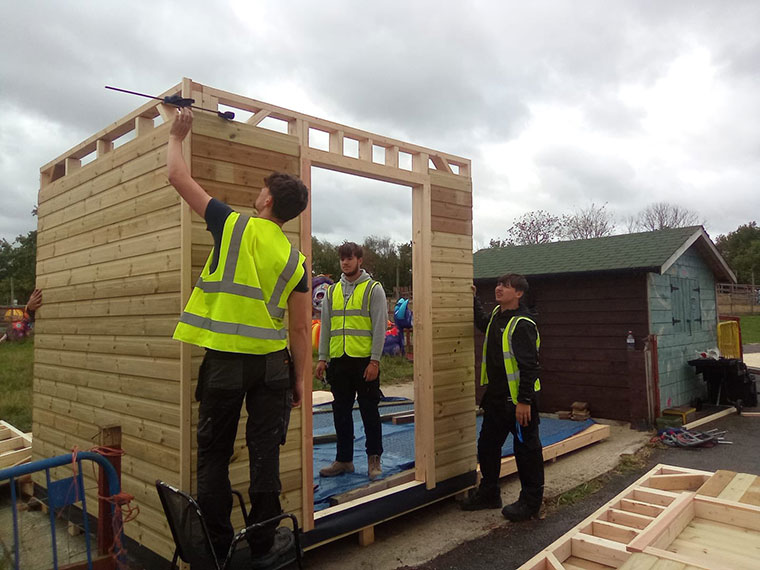
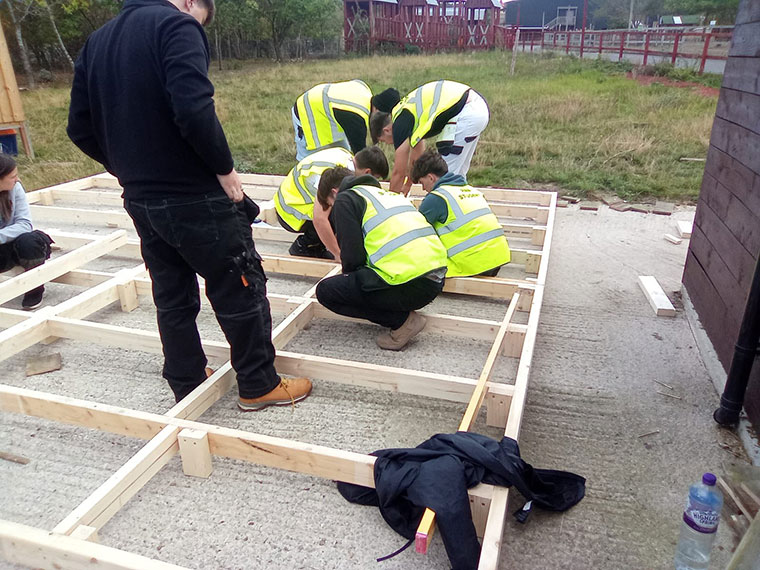
Work placements (or industry placements) refer to the practical experience students will gain in working with an external employer over a set period of time.
Work placements allow students to apply the knowledge and skills that they have developed on their course in a real working environment or to a specific employer-led project.
Placement hours will vary depending on their course (T Levels are around 315 hours and Apprenticeships 4 days per week) and time spent with employers can range from block weeks to one day per week over several months. It is essential that students complete a placement as part of the RNN Group’s study programme.
RNN’s Work Placement Officers can help by confirming the exact hours students are required to complete at the start of their course.
If you’re interested in becoming a business provider for RNN Group students, please complete this short work placements form.
What is work experience?
Work experience applies to all work-related activities that a student can participate in whilst at college and this could include: placements with external employers, social action placements, volunteering, site visits or any of our employer-led workshops and live project briefs.
I would recommend the College and course to others as there are a lot of opportunities to gain commercial experience.
Savannah, Dearne Valley College
As part of a learners study programme, they will work with a variety of employers from large organisations to freelance entrepreneurs, all of which will help our learners to develop the skills and knowledge needed for success in their chosen industry.
Why is work experience important?
Work experience will help develop a learners employability skills – or power skills – such as communication, problem solving and teamwork and we know these are key skills sought after by employers across all industries.
Undertaking work experience will improve a student’s future job prospects as they will gain industry-related experience on their CV as well as gaining valuable insights into the variety of roles available to them so that they can confidently make decisions about their future, which as an employer you can directly impact with.
Students meet, and work alongside, employers – such as you – who have helped to design their course so that it meets current industry standards, local charitable organisations who will help our students learn about their community and plan social action projects, and national organisations who can help students develop transferable skills to support their future career.
Contact us
Apprenticeships
For Apprenticeships: Contact our Apprenticeships team
T Levels
For T Level placements please email our Work Placement Offiers: workplacement@rnngroup.ac.uk.
Work Experience
For work experience placements please contact: workexperience@rnngroup.ac.uk.