


























Mental Health Awareness Week 2026: Taking Action as a College Community
Mental Health Foundation has announced that Mental Health Awareness Week 2026 runs from 11th – 17th May, with this year’s theme being Action.
The campaign focuses on one central idea – awareness is important, but meaningful change happens when people take action to support their mental health and the wellbeing of others.
For college students, this message feels particularly relevant and especially this week with the start of GCSE exams for the RNN Group and over 2,000 learners. Student life often comes with pressure that can be difficult to manage: Assignment deadlines, exams, financial stress, uncertainty about the future, and balancing social life alongside responsibilities. It is easy to speak about mental health as an issue, but the 2026 theme challenges us to move beyond discussion and think about what we can actively do.
The Mental Health Foundation describes this year’s campaign as “action for yourself, for someone else, and for all of us.” That framework works especially well in a college setting. It reminds students that supporting mental health is not only personal but collective too.

Taking action for yourself
In college, looking after your own mental health can sometimes be overlooked because academic goals often take priority. However, taking action can be simple: making time for breaks, setting boundaries with coursework, joining activities that reduce isolation, or talking to someone when things feel too much.
The campaign highlights that even small actions can make people feel “hopeful and less powerless.” That is important for students, because mental health challenges often feel overwhelming when faced alone. Something as simple as going for a walk between lectures, attending a student society event, or asking for support from tutors can be a meaningful first step.
Taking action for someone else
College groups and societies play a huge role in supporting students. Often, friends notice when someone is struggling before staff or services do. A simple conversation, inviting someone to join a meeting, or checking in after they miss class can matter more than people realise.
The official campaign highlights the importance of building mentally healthy schools, workplaces, and communities. A college group is exactly that: A community. Whether through peer support, informal conversations, or inclusive events, student groups can help create spaces where people feel connected instead of isolated.

Taking action for all of us
The campaign also recognises that individual efforts alone are not enough. Wider systems affect mental health too – financial hardship, social pressures, housing, and access to support all shape wellbeing. In a college environment, this means recognising that mental health is also influenced by workload expectations, campus culture, and whether support services are visible and accessible.
This is where student voices matter. College groups can raise awareness, but they can also advocate for better support – whether that means promoting counselling services, encouraging wellbeing initiatives, or making sure mental health remains part of student conversations all year round, not only in May.
Why this matters now
According to the Mental Health Foundation, around one in five adults in the UK experience a common mental health condition, and the proportion is even higher among young people aged 16-24. That means in any lecture hall, classroom, or student group, many people may be facing mental health challenges that are not visible.
This is why Mental Health Awareness Week matters in colleges. It is not just about posters or campaigns – it is about recognising that behind assignments and deadlines are real people managing real pressures.
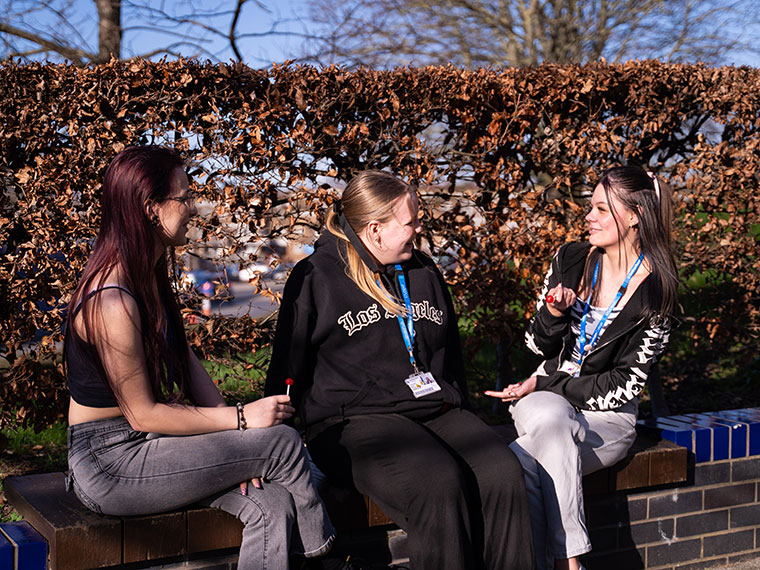
A message for RNN Group of Colleges and our Community
As a college community, Mental Health Awareness Week 2026 should encourage us to think beyond awareness and towards action. It asks us to make wellbeing part of everyday college life.
That action might mean:
- Checking in on a friend who seems withdrawn
- Creating social spaces where people feel included
- Organising events that prioritise wellbeing during stressful periods
- Sharing information about available support
- Or simply reminding one another that asking for help is normal
This year’s message is clear: Conversations are important, but action creates change. As students, we have the ability to make college a place where support is visible, kindness is normal, and no one feels they have to struggle in silence.
Find out more about the health and wellbeing support available for students at the RNN Group.