


























RNN Group Helps Shape the Future Skills Agenda at South Yorkshire Defence Summit
Following RNN Group’s landmark success in securing one of the UK’s new Defence Technical Excellence Colleges (DTEC), the Group joined education, industry and government leaders at the Sheffield Defence Summit to discuss how collaboration can help develop the future workforce needed to support the UK’s advanced manufacturing and defence sectors.
Hosted by the University of Sheffield, the summit brought together representatives from academia, industry and the public sector to explore the role of innovation, skills and partnerships in strengthening the UK’s manufacturing capabilities and long-term resilience.

Representing RNN Group, Daniel Stanbra, Vice Principal Adult Education, Commercial and Partnership Strategy, joined a panel discussion on “Developing future-ready skills: Cultivating the high-level expertise essential for the future of UK defence.”
Drawing on RNN Group’s work through the new Defence Technical Excellence College, Daniel spoke about the importance of creating a more connected education system that enables learners to develop the skills employers need both now and in the future.
A key theme of the discussion was the need for greater collaboration across every stage of education. Daniel highlighted the importance of strengthening partnerships between further education, higher education and employers, while also building stronger links with secondary schools to inspire young people from an earlier age and raise aspirations towards careers in advanced manufacturing, engineering and emerging technologies.
He explained that, while there are many examples of excellent practice, the education system can sometimes feel fragmented, making it more difficult for learners to navigate clear pathways into employment. By working more closely together, education providers can create a more seamless journey that supports learners throughout their education while giving employers access to the highly skilled workforce they need.
Daniel also emphasised the growing role of shorter, modular training programmes in helping people develop new technical skills throughout their careers. Flexible learning opportunities can enable individuals to upskill or retrain more quickly while allowing employers to respond to rapidly evolving technologies and changing workforce demands.

The discussion reinforced the importance of public sector organisations, academic institutions and employers working together to ensure that skills and training are recognised and portable across sectors. Developing transferable skills and flexible learning pathways will help build what Daniel described as a “long-term supply chain of skills”, creating a sustainable talent pipeline that can adapt to future technologies and industry needs.
Collaboration was a consistent theme throughout the summit. Speakers highlighted that innovation is most effective when organisations work together, sharing expertise, research and ideas to solve common challenges.
Representatives from Innovate UK spoke about the opportunities created when the UK’s Tier 1 companies share intellectual property, knowledge and expertise with smaller scale-ups and start-ups. These smaller organisations are often able to innovate, test ideas and pivot far more quickly, enabling new technologies and manufacturing solutions to be developed at pace.
The summit also explored the value of closer collaboration between industry and academia. By opening access to new technologies, research and intellectual property, universities and education providers can work alongside employers to accelerate innovation and help develop the advanced manufacturing techniques that will underpin the future of UK defence manufacturing.
This emphasis on openness and collaboration closely reflected the themes discussed during Daniel’s panel session. Whether through stronger links between secondary schools, further education, higher education and employers, or through closer partnerships between established manufacturers, SMEs, academics and innovators, the message was clear: developing the workforce and technologies of the future requires a connected ecosystem where knowledge, skills and innovation are shared.
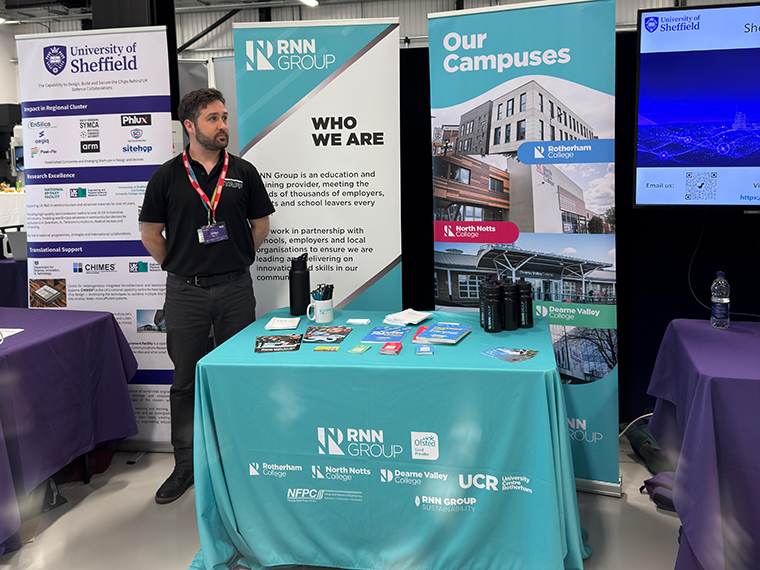
RNN Group’s successful Defence Technical Excellence College bid demonstrates its commitment to supporting this vision. Working alongside employers, government and education partners, the Group is helping to develop the high-level technical skills required by industry while creating new opportunities for learners to progress into careers in advanced manufacturing, engineering and emerging technologies.
The Sheffield Defence Summit showcased the strength of South Yorkshire’s collaborative approach to skills and innovation. By bringing together education providers, businesses, researchers and public sector organisations, the region is well placed to build both the talent and the technologies that will support economic growth, strengthen UK manufacturing and develop the long-term supply chain of skills needed for the future.
Read more about RNN Group securing DTEC in partnership with the UK Government