


























Your Wellbeing. Your Life.
Last weekend was Valentine’s Day, a day dedicated to love, romance and affection. For many people, Valentine’s Day can evoke feelings of love, affection, and joy.
Valentine’s Day also provides an opportunity to strengthen social bonds and connections. Spending time with loved ones, whether romantic partners, friends, or family members, can enhance feelings of belongingness and social support, which are important for emotional wellbeing.
The importance of wellbeing
Wellbeing is important for several reasons
Physical health
Wellbeing includes physical health, covering areas such as nutrition, physical activity, and adequate rest. Maintaining good physical health is vital for overall functioning, a longer lifespan, and a better quality of life.
Mental health
Mental wellbeing refers to emotional balance, resilience, and a positive state of mind. It is essential for handling stress, regulating emotions, and experiencing life positively. Poor mental health can contribute to problems such as depression, anxiety, and a lower quality of life.
Social relationships
Wellbeing is strongly influenced by social connections and relationships. Supportive social networks promote happiness, a sense of fulfilment, and feelings of belonging. Positive relationships offer emotional support and can help protect against stress.
Productivity and performance
When individuals experience a strong sense of wellbeing, they are often more productive, creative, and actively engaged in their work or studies. They are also better able to focus, make sound decisions, and solve problems efficiently.
Quality of life
Overall, wellbeing plays a key role in shaping a person’s quality of life. It affects their level of satisfaction, happiness, and sense of fulfilment. Higher levels of wellbeing contribute to a more meaningful and enjoyable life.
Longevity
Research shows that people with higher levels of wellbeing often live longer and face a reduced risk of chronic illnesses. Positive emotions and healthy lifestyle habits linked to wellbeing can support a longer life and lead to better overall health.
Resilience
Wellbeing helps build resilience, the capacity to recover from setbacks and adjust to challenges. People who are resilient are better able to manage life’s highs and lows, maintaining balance and a positive outlook even in difficult situations.
Community and societal benefits
Shared wellbeing helps create stronger communities and societies. When people are healthier and happier, it can result in lower crime rates, greater participation in community life, and a stronger sense of social unity.
RNN Group staff wellbeing
Here at the RNN Group, we have had Time to Talk sessions for staff in recent weeks where staff spent a little time chatting over coffee and cake face to face.
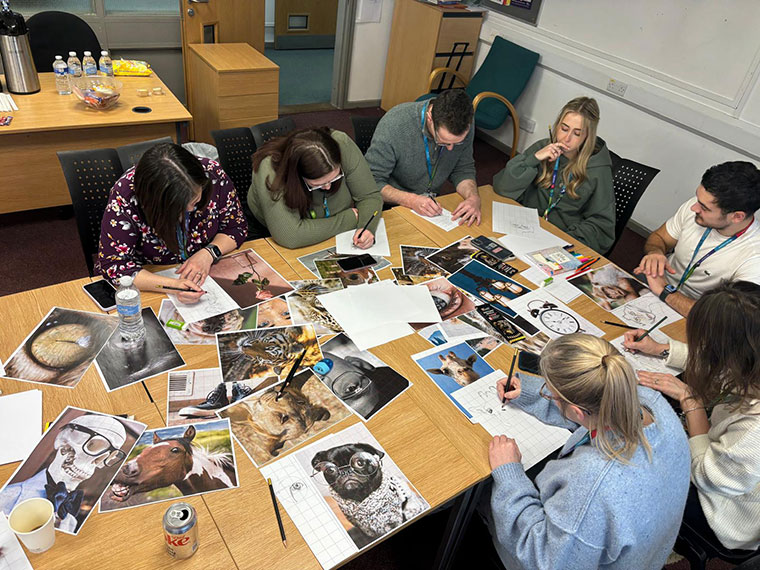
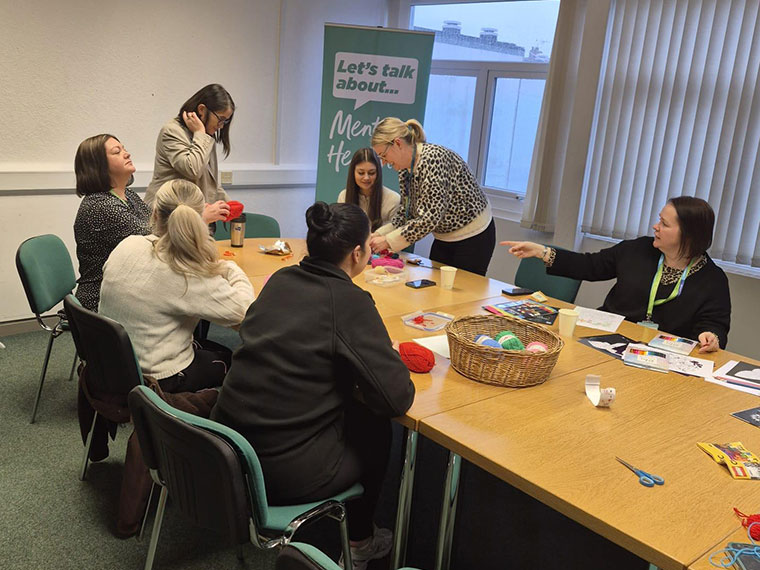
The Group also provides a wellbeing day in addition to the annual holidays for every member of staff every year which is a very popular Group benefit and allows staff to enjoy a day focused on their wellbeing.
Find out more about RNN Group staff benefits
Wellbeing tips
Are you struggling to work on your wellbeing? Here are some tips to create good mental wellbeing:
Connect with others
Build and maintain strong relationships with friends, family, and your community, as social connections play an important role in mental wellbeing. Keep in touch with loved ones, spend time together, and ask for support when you need it. Staying connected can create a sense of belonging, ease feelings of loneliness, and provide valuable emotional support.
Stay active
Regular physical activity supports not only physical health but also mental wellbeing. Exercise helps release endorphins – natural mood boosters – and can reduce stress and anxiety. Choose activities you enjoy, such as walking, jogging, dancing, or yoga, and try to make them a regular part of your routine.
Practice mindfulness and relaxation techniques
Incorporate mindfulness and relaxation practices into your daily life to manage stress and enhance your mental clarity. Mindfulness techniques, such as meditation, deep breathing exercises, and progressive muscle relaxation, can help you stay present, reduce negative thinking patterns, and promote a sense of calm and balance.
Maintain a balanced lifestyle
Pay attention to your daily habits and strive for balance in all areas of your life. This includes maintaining a healthy diet, getting adequate sleep, managing stress effectively, and avoiding excessive alcohol or substance use. Prioritise self-care activities that nourish your mind, body, and spirit, such as spending time in nature, pursuing hobbies, and engaging in creative outlets.
Give to others
Research suggests that acts of giving and kindness can help improve your mental wellbeing by:
- Creating positive feelings and a sense of reward
- Giving you a feeling of purpose and self-worth
- Helping you connect with other people
It could be small acts of kindness towards other people, or larger ones like volunteering in your local community.
Learn new skills
Research shows that learning new skills can also improve your mental wellbeing by:
- Boosting self-confidence and raising self-esteem
- Helping you to build a sense of purpose
- Helping you to connect with others
Even if you feel like you do not have enough time, or you may not need to learn new things, there are lots of different ways to bring learning into your life such as learning new recipes, working on DIY projects, considering a course at your local college, or even taking on some new responsibility in your community.