


























National Fluid Power Centre and Competence
A hidden gem in the RNN Group is the National Fluid Power Centre celebrating 25 years this year.
Not only is it the UK’S Leading Training Provider in Fluid Power and Control and the only company in the UK to be certified to offer CETOP Competence Based Qualifications.
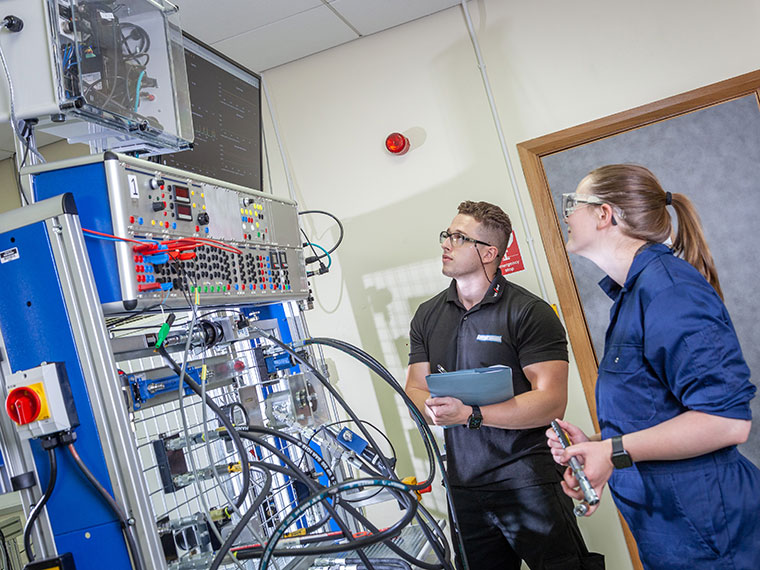
What is competence and why is it important?
Competence: The skill that shapes success
In a world full of opportunities, competition, and constant change, one quality consistently stands out as a foundation for success: competence. Whether in education, work, leadership, or everyday life, competence determines how effectively we turn knowledge into action.
What is competence?
Competence is the ability to apply knowledge, skills, and experience to perform tasks effectively, safely and responsibly. It’s not just about knowing something – it’s about being able to do something well.
For example, reading about driving does not make someone competent. Competence is proven when that person can safely and confidently drive a car in real-world conditions whilst meeting the required standards at all times and that of producing evidence of success.
Why competence matters
Competence builds trust. People rely on competent doctors for their health, competent engineers for safe buildings, and competent teachers for quality education. Without competence, mistakes increase, confidence declines, and progress slows.
In the workplace, competence leads to:
- Better performance
- Increased confidence
- Career growth
- Respect from colleagues
In personal life, competence helps individuals make better decisions and handle challenges with confidence.
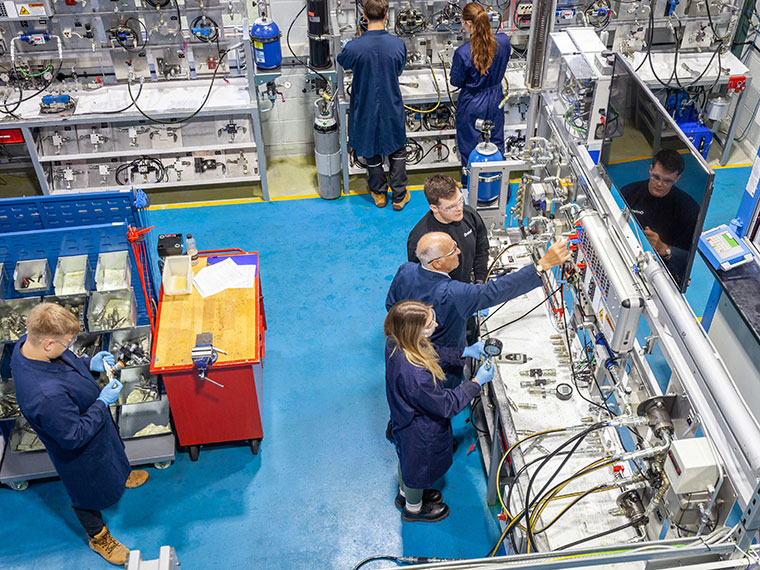
Competence vs. Confidence
Confidence and competence are often confused, but they are not the same. Confidence is believing you can do something; competence is actually being able to do it. True confidence grows from competence. When skills improve, confidence naturally follows.
Types of competence
Competence can appear in many forms, including:
- Professional competence – skills needed for a job or career
- Social competence – ability to communicate and interact effectively
- Emotional competence – understanding and managing emotions
- Cognitive competence – thinking, reasoning, and problem-solving
Each type plays an important role in personal and professional success.
How to build competence
Competence is not fixed – it can be developed. Some effective ways to build it include:
- Continuous learning
- Practice and experience
- Feedback from others
- Reflection on mistakes
- Willingness to improve
Growth happens when learning meets action and that is what the NFPC is all about! They recognise that competence is more than a skill – it is a mindset of responsibility, learning, and excellence.
In a fast-changing world, those who focus on building competence remain relevant, reliable, and respected.
No matter your field or goal, developing competence is one of the most valuable investments you can make in yourself.